Wearable Tech
How Smartwatches Are Detecting Atrial Fibrillation Before Symptoms Appear
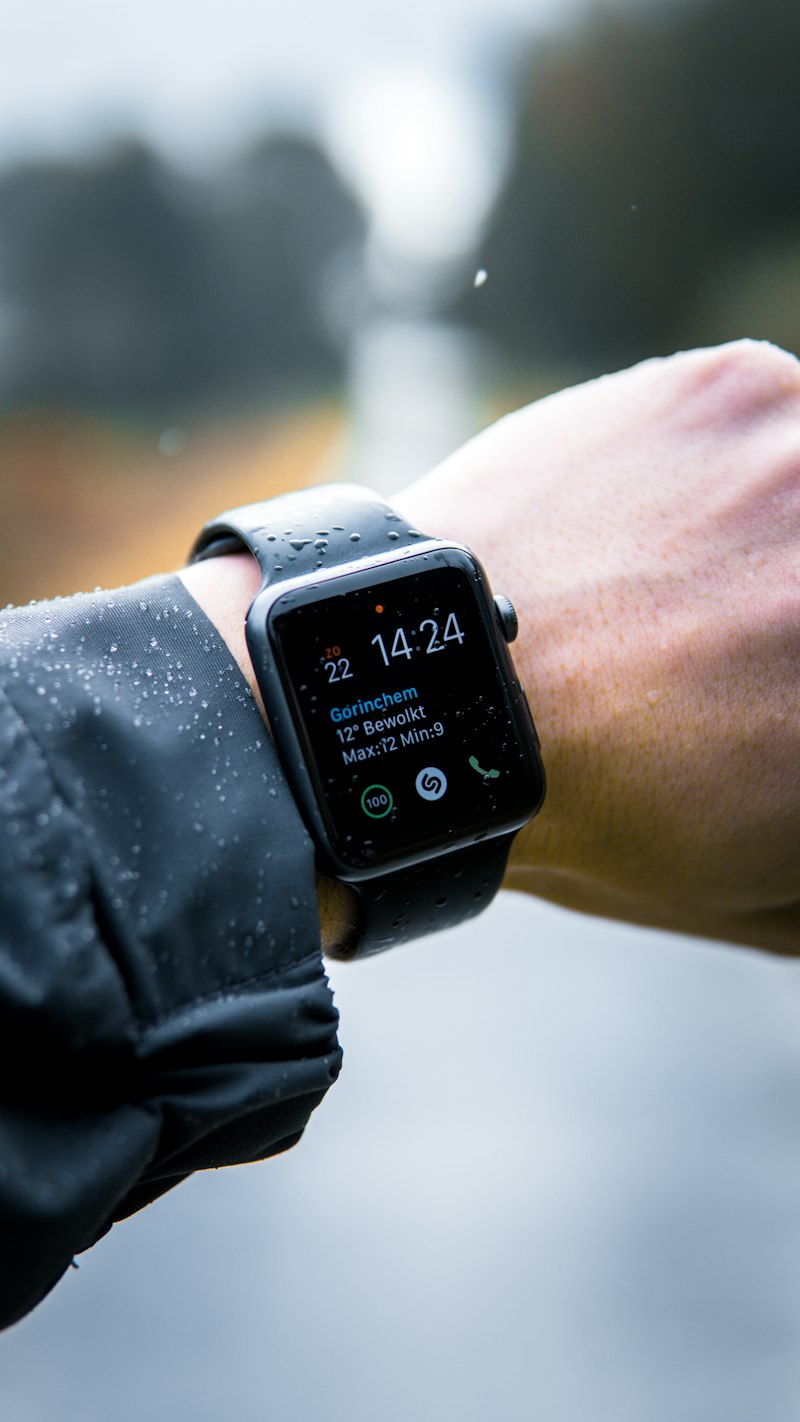
A landmark Stanford study found that wearable ECG monitors can identify irregular heart rhythms in high-risk individuals up to six months before a clinical diagnosis.
The Stanford Study
A landmark study from Stanford University enrolled over 400,000 participants and used Apple Watch photoplethysmography sensors to passively detect irregular pulse patterns consistent with atrial fibrillation (AFib). Participants who received notifications were then followed up with traditional ECG patches, confirming diagnoses in a significant proportion of notified users.
Why Early Detection Matters
AFib is a leading cause of stroke. Detecting it months before symptoms manifest allows clinicians to initiate anticoagulation therapy earlier, potentially preventing thousands of strokes annually. For underserved populations who see a doctor less frequently, wearable detection may be the only early warning system available.
Limitations to Consider
Wearable ECG accuracy varies by skin tone, motion, and body composition. Studies have shown lower sensitivity in individuals with darker skin tones due to how optical sensors absorb light. Always confirm wearable alerts with a clinical-grade ECG.

